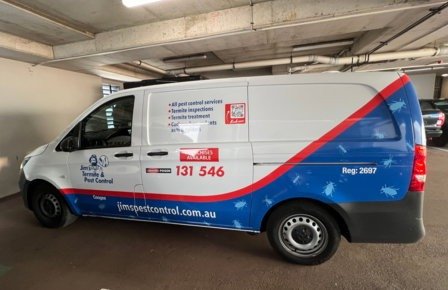
Keeping homes and workplaces free from unwanted insects and rodents has become more important than ever as changing environmental conditions influence pest activity. More people are searching for reliable pest control services nsw because they want lasting protection instead of temporary fixes. Modern pest management is no longer just about removing visible pests. It focuses on prevention, property care, and creating healthier living spaces while reducing the chances of future infestations.
As awareness grows, property owners are becoming more proactive rather than waiting until pests become a serious problem. Understanding the latest trends and best practices can help you make informed decisions that protect your home, family, and investment.
Why Pest Prevention Matters More Than Ever
Many people assume pests are only a seasonal concern, but they can appear whenever conditions allow them to thrive. Warm spaces, hidden moisture, food sources, and small entry points create ideal environments for unwanted visitors.
Ignoring early warning signs can allow small issues to develop into larger problems that affect comfort, hygiene, and even the condition of a building. Preventive action offers greater peace of mind by reducing the chance of recurring infestations.
A well-maintained property is naturally less attractive to pests, making routine inspections and preventative measures valuable parts of responsible property care.
Common Pests That Affect Residential and Commercial Properties
Different environments attract different types of pests, each presenting unique challenges. Recognizing the most common invaders helps property owners respond quickly before issues escalate.
Some of the most frequently encountered pests include:
- Ants that establish colonies around kitchens, gardens, and wall cavities.
- Cockroaches that seek warmth, moisture, and food in hidden areas.
- Rodents that enter through surprisingly small openings while searching for shelter.
- Spiders that prefer quiet spaces with abundant insect activity.
- Wasps that build nests near roofs, trees, and outdoor structures.
- Termites that silently damage timber and structural components.
Understanding pest behavior makes it easier to identify warning signs before visible damage occurs.
Modern Pest Control Focuses on Prevention
The biggest shift in today’s pest management industry is the emphasis on preventing infestations instead of simply reacting to them.
Professionals now evaluate multiple factors that contribute to pest activity, including moisture levels, landscaping, storage practices, waste management, and structural vulnerabilities. By addressing these conditions, they reduce the likelihood of pests returning after treatment.
This preventive approach benefits both residential and commercial properties by supporting long-term protection while minimizing disruption.
Technology Is Changing Pest Management
Advancements in technology have transformed how pest professionals inspect and monitor properties.
Innovative tools help identify hidden activity that might otherwise go unnoticed. Digital reporting also provides property owners with clear documentation of inspection findings and recommended actions.
Technology supports better decision-making by allowing treatments to target specific problem areas instead of relying on broad applications.
These improvements also contribute to more efficient maintenance strategies that prioritize prevention alongside effective pest control.
The Importance of Regular Property Inspections
Routine inspections remain one of the most valuable ways to protect any property from unexpected pest activity.
Small issues often begin in places that receive little attention, such as roof spaces, wall cavities, garages, storage rooms, and outdoor structures. Professional inspections help identify vulnerabilities before they become larger concerns.
Key benefits of regular inspections include:
- Early identification of hidden pest activity before significant damage develops.
- Detection of moisture problems that attract insects and rodents.
- Recognition of structural gaps that provide entry points.
- Recommendations for improving sanitation and storage practices.
- Ongoing monitoring that supports long-term property protection.
Consistent inspections create opportunities to address risks before they evolve into major infestations. Moisture is often the root cause persistent damp draws pests in so UK homeowners increasingly pair pest checks with a damp survey Merseyside specialists like Weather Wise carry out to trace where the water is getting in.
Why Cleanliness Alone Is Not Enough
A clean property certainly reduces many pest risks, but cleanliness by itself cannot eliminate every potential problem.
Pests often enter buildings seeking shelter rather than food. Tiny cracks around doors, plumbing, utility lines, roofing, and foundations can become convenient access points regardless of how tidy a property may be.
Outdoor conditions also influence indoor pest activity. Overgrown vegetation, standing water, wood piles, and cluttered storage areas may encourage pests to settle close to buildings before eventually moving inside.
Combining good housekeeping with professional prevention strategies offers far stronger protection than relying on cleaning alone.
Choosing Experienced Professionals
Selecting a trusted provider involves more than finding someone who can remove visible pests. Experience, knowledge, and a comprehensive inspection process all contribute to successful long-term outcomes.
Jim’s Pest Control understands that every property presents different challenges. A personalized assessment helps determine the most suitable approach while considering the property’s design, surrounding environment, and potential risk factors.
Professional guidance also helps property owners understand practical steps they can take to reduce future pest activity between scheduled inspections.
Seasonal Changes Influence Pest Activity
Weather conditions play an important role in determining which pests become more active throughout the year.
Heavy rainfall may encourage insects and rodents to seek shelter indoors, while warmer conditions often increase breeding activity for many common pests. Dry periods can also drive pests toward reliable water sources inside buildings.
Being aware of seasonal patterns allows homeowners and businesses to prepare in advance rather than responding after an infestation becomes established.
Preventive maintenance throughout the year supports more consistent protection regardless of changing environmental conditions.
Simple Habits That Help Reduce Pest Risks
Everyday maintenance plays an important role in keeping properties less attractive to pests.
Consider adopting these practical habits:
- Store food in sealed containers whenever possible.
- Dispose of household waste promptly and keep bins clean.
- Repair leaking pipes and eliminate standing water.
- Seal gaps around windows, doors, and utility connections.
- Trim vegetation that touches exterior walls.
- Keep storage areas organized to reduce hiding places.
- Inspect outdoor furniture, sheds, and garages regularly.
- Address unusual pest activity before it becomes widespread.
While these habits cannot guarantee complete prevention, they significantly reduce conditions that encourage infestations.
Environmental Awareness Is Shaping Better Decisions
Many property owners now prefer pest management strategies that balance effectiveness with responsible environmental practices.
Professionals increasingly focus on targeted treatments, accurate identification of pest species, and preventative recommendations that reduce unnecessary product use. This thoughtful approach supports both property protection and environmental responsibility.
Education also plays a growing role. When homeowners understand why pests appear, they can make practical improvements that contribute to lasting results.
This partnership between professionals and property owners creates stronger, more sustainable pest management outcomes.
Signs You Should Never Ignore
Early warning signs often appear long before pests become highly visible.
Watch for indicators such as:
- Droppings in cupboards, garages, or storage spaces.
- Scratching sounds inside ceilings or walls.
- Damaged food packaging.
- Unusual odors in enclosed areas.
- Small piles of timber dust near wooden structures.
- Visible nests around outdoor areas.
- Increased insect activity around windows or lighting.
Responding promptly to these signs helps prevent small problems from becoming much larger concerns.
Creating a Long-Term Protection Strategy
Effective pest management works best when viewed as an ongoing process rather than a one-time solution.
Regular inspections, good property maintenance, awareness of seasonal risks, and prompt attention to warning signs all contribute to stronger long-term protection.
Every property has unique characteristics that influence pest activity. Tailoring prevention strategies to individual circumstances helps improve overall effectiveness while supporting healthier indoor environments.
Staying informed about current pest management practices also allows property owners to make confident decisions that protect both their buildings and the people who use them.
See also: The Enclomiphene File
Conclusion
Protecting your property from pests requires awareness, prevention, and consistent maintenance rather than reacting only after problems appear. Modern pest management combines professional expertise with practical everyday habits to reduce risks and maintain healthier living and working environments. By recognizing early warning signs, scheduling regular inspections, and adopting preventative strategies, property owners can enjoy greater confidence in the safety and condition of their spaces. If you are ready to strengthen your property’s defenses and receive expert guidance tailored to your needs, Book Your Appointment Online for the next steps toward reliable, long-term pest protection.