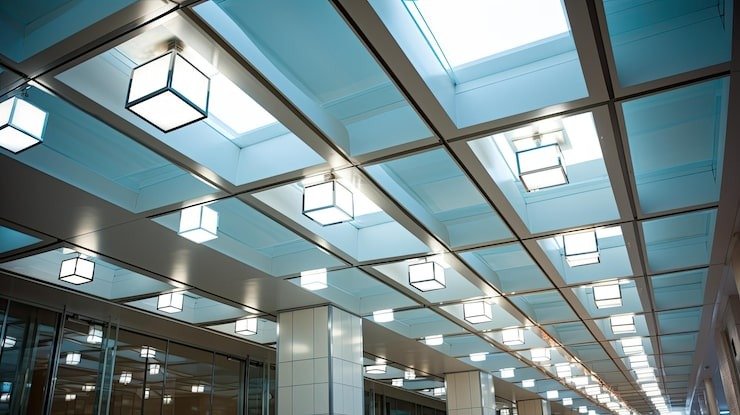
Natural daylight has become one of the most important elements in modern building design. From offices and warehouses to educational facilities and industrial spaces, property owners are increasingly looking for practical ways to create brighter, healthier environments while supporting energy efficiency. One solution that continues to gain attention is commercial rooflights, which allow daylight to reach areas that traditional windows often cannot.
As expectations for sustainable buildings continue to grow, architects, developers, and facility managers are focusing on design choices that improve both functionality and occupant wellbeing. Roof glazing solutions have become a valuable feature because they help maximise natural light, improve the overall atmosphere, and contribute to better working conditions.
Why Natural Daylight Matters More Than Ever
Modern workplaces are no longer designed solely for productivity. They are expected to support employee comfort, wellbeing, and environmental responsibility. Access to daylight plays a significant role in achieving these goals.
Natural light creates a welcoming atmosphere that artificial lighting often struggles to replicate. Bright interiors can make large commercial spaces feel more inviting while improving visibility for daily activities. Employees also tend to appreciate environments that feel open and connected to the outside world.
For businesses aiming to create attractive working environments, thoughtful daylight planning has become an important consideration during both new construction and refurbishment projects.
See also: Why Smart Roof Window Design Is Shaping Healthier Living Spaces
The Shift Towards Sustainable Building Design
Environmental awareness continues to influence the construction industry. Businesses are looking for practical ways to reduce energy consumption while creating buildings that remain comfortable throughout the year.
Roof glazing has become part of this wider movement because it supports sustainable design principles without compromising functionality. By making better use of available daylight, buildings can reduce dependence on artificial lighting during daylight hours.
Sustainability also extends beyond energy use. Many organisations now consider employee wellbeing, environmental responsibility, and long-term building performance as equally important aspects of responsible property development.
Benefits of Bringing More Light Into Commercial Buildings
Introducing additional natural light offers a wide range of practical advantages for different types of commercial properties.
- Bright interiors help create a more welcoming experience for employees and visitors.
- Improved visibility supports safer movement throughout large working areas.
- Naturally lit environments often feel more spacious and visually appealing.
- Better daylight distribution reduces reliance on electric lighting during daytime hours.
- Attractive interior spaces can enhance the overall perception of a business.
These combined benefits make daylight-focused design a valuable investment in workplace quality rather than simply an architectural feature.
Supporting Employee Wellbeing
Workplace wellbeing has become a central topic across many industries. Employers recognise that comfortable environments contribute to better staff satisfaction and a more positive working culture.
Exposure to natural daylight helps create pleasant surroundings where employees feel more engaged throughout the working day. Bright spaces can reduce the sense of confinement often experienced in enclosed buildings, particularly those with large floor areas.
Meeting rooms, collaborative spaces, reception areas, and production facilities all benefit from increased daylight, helping to create environments where people feel more comfortable spending extended periods.
Enhancing Architectural Appeal
Modern commercial buildings are expected to balance performance with appearance. Exterior design influences first impressions, while interior aesthetics affect everyday experiences for employees and visitors alike.
Roof glazing introduces visual interest by allowing changing daylight conditions to shape interior spaces throughout the day. Sunlight creates depth, highlights architectural features, and helps large open-plan areas feel more dynamic.
This combination of functionality and design makes daylight solutions popular across offices, educational facilities, retail environments, healthcare buildings, and industrial premises.
Flexible Solutions for Different Building Types
Every commercial building has unique design requirements. Roof layouts, structural considerations, intended building use, and lighting objectives all influence the most suitable daylight solution.
Different properties may require varying configurations depending on available roof space and desired light distribution. Careful planning ensures that daylight reaches areas where it delivers the greatest benefit while maintaining the overall performance of the building envelope.
Professional design advice helps ensure that each solution complements both architectural goals and operational needs.
The Role of Quality Materials
Long-lasting building performance depends heavily on material selection. High-quality glazing systems are designed to withstand changing weather conditions while maintaining their appearance and structural integrity.
Durable materials support consistent performance over many years and contribute to reduced maintenance requirements. Modern manufacturing techniques also help improve thermal performance, weather resistance, and overall reliability.
Selecting well-engineered products supports both immediate project objectives and long-term building management strategies.
Integrating Roof Glazing Into Contemporary Projects
Architects increasingly view daylight as an essential design element rather than an afterthought. Early planning allows roof glazing to work alongside ventilation systems, insulation, structural components, and interior layouts.
Successful integration often considers several important factors:
- Building orientation influences the amount of available natural daylight.
- Internal room layouts determine where additional light is most beneficial.
- Roof design affects placement opportunities and overall appearance.
- Structural requirements ensure safe and reliable installation.
- Future maintenance access should remain practical throughout the building’s lifespan.
Considering these factors during the planning stage helps create balanced, effective designs.
Balancing Comfort Throughout the Year
While maximising daylight is important, maintaining indoor comfort remains equally essential. Modern roof glazing systems are designed with performance in mind, helping buildings achieve an appropriate balance between natural illumination and internal environmental control.
Advances in glazing technology support improved insulation while reducing unwanted heat transfer. This balanced approach allows commercial buildings to remain comfortable across varying weather conditions without sacrificing access to daylight.
Careful product selection ensures that visual comfort and energy performance work together rather than competing with one another.
Creating Better Experiences for Visitors
First impressions matter for every commercial property. Bright entrance areas, welcoming reception spaces, and naturally illuminated communal areas contribute to a positive visitor experience.
Customers, clients, suppliers, and business partners often form opinions based on the overall atmosphere of a building before any conversations take place. Daylight helps create spaces that feel professional, modern, and well maintained.
This subtle improvement supports stronger brand perception while creating environments that people enjoy visiting.
Innovation Continues to Shape Modern Roofing
Construction technologies continue to evolve as sustainability and building performance become increasingly important. Manufacturers are developing solutions that combine attractive aesthetics with practical functionality.
Improved glazing technologies, enhanced weather performance, and greater design flexibility have expanded the possibilities available to architects and developers. These innovations allow roof glazing to complement a wider range of commercial buildings than ever before.
As building standards continue to develop, daylight solutions are expected to remain an important part of future commercial architecture.
Choosing a Trusted Supplier
Selecting the right supplier involves more than choosing a product. Experience, technical knowledge, manufacturing quality, and customer support all contribute to successful project outcomes.
Businesses should look for suppliers that understand commercial requirements and provide guidance throughout the planning process. Reliable expertise helps ensure products align with both design objectives and regulatory expectations.
Skylights Roof Lanterns focuses on delivering quality glazing solutions that support modern architectural projects while meeting the practical demands of commercial environments.
Future Trends in Commercial Building Design
The future of commercial construction continues to prioritise healthier, more efficient, and environmentally responsible buildings.
Several trends are expected to remain influential:
- Increased emphasis on sustainable architecture.
- Greater use of daylight as part of workplace wellbeing strategies.
- Higher demand for energy-conscious building solutions.
- Improved integration of roofing and glazing technologies.
- Continued focus on creating attractive, adaptable workspaces.
These developments highlight the growing importance of thoughtful roof design as organisations seek buildings that perform well both today and into the future.
Conclusion
Natural daylight has become an essential feature of successful commercial buildings, supporting employee wellbeing, enhancing architectural appeal, and contributing to more sustainable workplaces. Thoughtfully designed roof glazing helps transform interior spaces into brighter, more comfortable environments while complementing modern construction practices.
Whether planning a new development or improving an existing property, investing in quality daylight solutions can help create spaces that are practical, attractive, and future ready. If you would like expert guidance on choosing the right solution for your project, contact us to discuss how your building can benefit from professionally designed roof glazing.